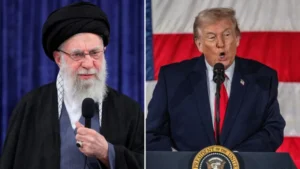

In early 2026, the Middle East is once again at the center of global attention as the United States ramps up its military presence near Iran. With two aircraft carrier strike groups deployed and over 120 aircraft in the region, this buildup represents the largest concentration of US forces in the area since the 2003 invasion of Iraq. President Donald Trump has given Iran a tight deadline of 10-15 days to reach a “meaningful” agreement on its nuclear program and ballistic missiles, warning of severe consequences if talks fail. This escalation comes amid ongoing protests in Iran and indirect diplomatic negotiations, raising fears of potential military conflict. In this article, we explore the details of the US military buildup near Iran, its historical context, the assets involved, underlying reasons, and potential implications for regional stability.
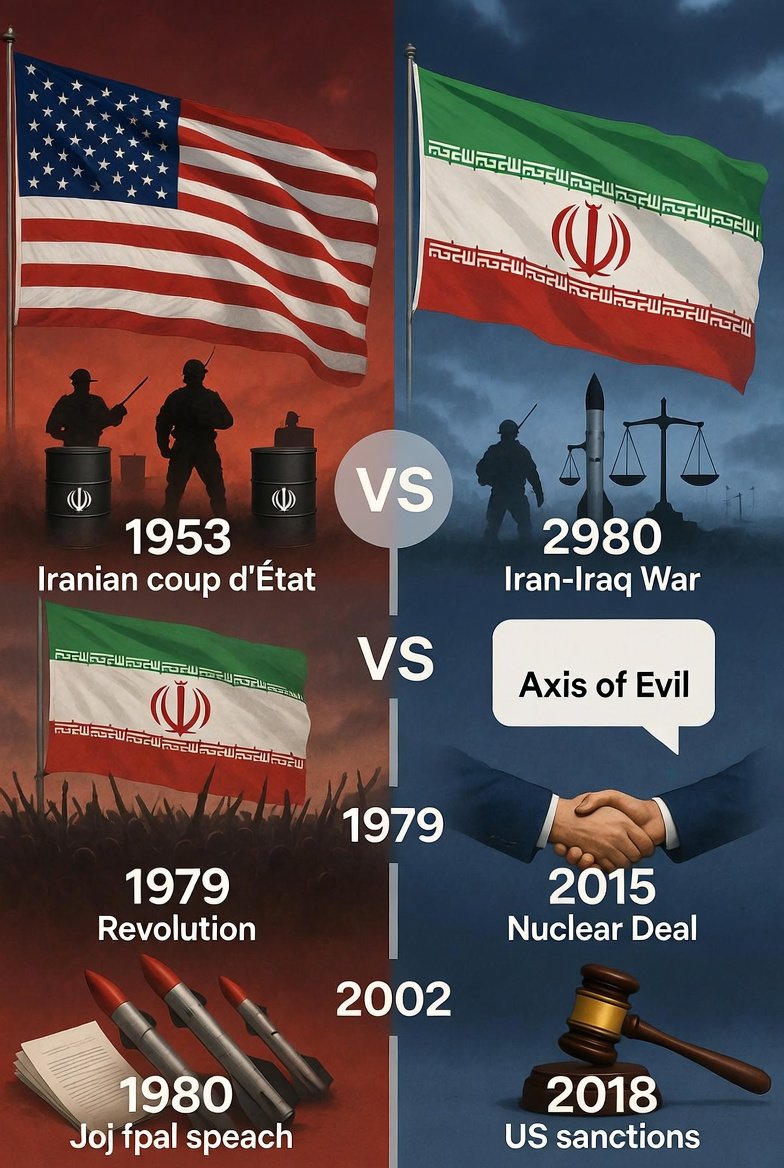
Historical Context of US-Iran Tensions
US-Iran relations have been strained for decades, rooted in events like the 1979 Iranian Revolution, the Iran-Iraq War, and ongoing disputes over Iran’s nuclear ambitions. The 2015 Joint Comprehensive Plan of Action (JCPOA), commonly known as the Iran nuclear deal, aimed to curb Iran’s nuclear program in exchange for sanctions relief. However, Trump withdrew the US from the deal in 2018 during his first term, labeling it “the worst deal ever” and imposing “maximum pressure” sanctions.
Tensions peaked in 2020 with the US drone strike that killed Iranian General Qasem Soleimani, followed by Iranian retaliatory missile attacks on US bases in Iraq. More recently, in 2025-2026, Iran has faced widespread protests sparked by economic hardships and government crackdowns, with reports of massacres drawing international condemnation. The US has voiced support for protesters, with Trump urging them to “keep protesting” and promising “help is on the way.” In June 2025, the US and Israel conducted a 12-day bombing campaign targeting Iranian nuclear and military sites, which Iran denied were related to weapons development but which heightened mutual distrust.
This history sets the stage for the current buildup, as the US seeks to deter what it perceives as Iranian aggression, including threats to shipping in the Strait of Hormuz and drone activities in the Arabian Sea. Iran’s leadership has called the US actions “provocative,” while neighboring countries warn of escalation into a broader war.
Current Developments in the US Military Buildup Near Iran
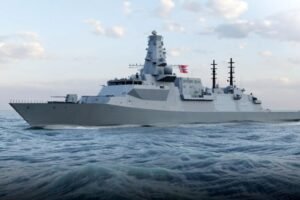
As of February 2026, the Pentagon has significantly increased its footprint in the Middle East. The buildup began in late January with the redirection of the USS Abraham Lincoln carrier strike group from the South China Sea to the Arabian Sea. This group includes the aircraft carrier itself, three guided-missile destroyers, and approximately 5,700 service members. Shortly after, the USS Gerald R. Ford—the world’s largest aircraft carrier—was ordered to the region, accompanied by additional destroyers and over 5,000 personnel.
Satellite imagery and flight-tracking data reveal a rapid surge in airpower. Over 120 aircraft have been deployed, including F-35 stealth fighters, F-15E Strike Eagles, F/A-18 Super Hornets, EA-18G Growlers for electronic warfare, and MQ-9 Reaper drones. Bases like Muwaffaq Salti in Jordan have become key hubs, with imagery showing at least 60 attack aircraft parked there—tripling the usual number. Additional assets include THAAD and Patriot missile defense systems, P-8A Poseidon maritime patrol aircraft, and C-17 cargo planes for logistics support.
Naval forces are equally formidable. Around 12 US warships are in the Middle East or adjacent waters, including littoral combat ships in the Persian Gulf and guided-missile destroyers near the Strait of Hormuz. A nuclear submarine remains in the Mediterranean, and the USS Gerald R. Ford is en route there, potentially arriving within days. This assembly gives the US the capability for sustained operations, including aerial strikes on Iranian targets like missile depots, nuclear sites, and military installations.
Trump’s administration has briefed the White House that military assets could enable strikes as early as this weekend, though the president remains non-committal, emphasizing diplomacy. Indirect talks in Geneva continue, with Iran expected to submit proposals soon.
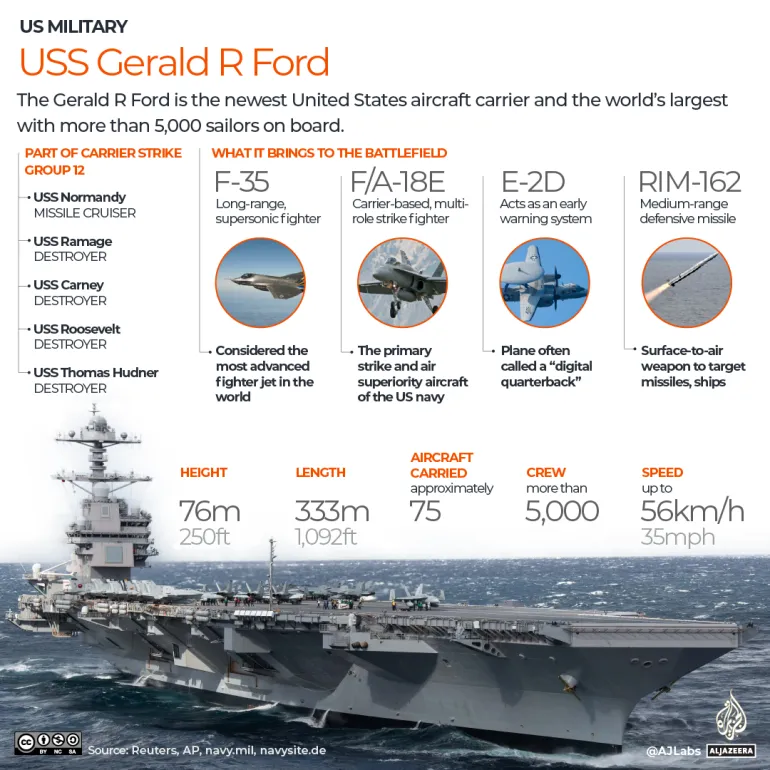
image via
Key Military Assets Deployed in the Buildup
To understand the scale, here’s a breakdown of major US assets near Iran:
| Asset Type | Details | Location/Role |
|---|---|---|
| Aircraft Carriers | USS Abraham Lincoln (with F/A-18E/F Super Hornets, F-35s, EA-18G Growlers); USS Gerald R. Ford | Arabian Sea and Mediterranean; Provide air strike capabilities and command centers |
| Destroyers and Warships | Multiple guided-missile destroyers (e.g., equipped with Tomahawk missiles); Littoral combat ships | Persian Gulf, Strait of Hormuz; Air defense, cruise missile launches, anti-submarine warfare |
| Fighter Jets | Over 120 aircraft including F-35s, F-15Es, F/A-18s | Bases in Jordan, UAE, Qatar; Precision strikes, air superiority |
| Missile Defenses | THAAD, Patriot systems | Regional bases; Protect against Iranian ballistic missiles |
| Drones and Support | MQ-9 Reapers, P-8A Poseidons, C-17s | Surveillance, refueling, logistics |
This deployment exceeds what’s needed for mere deterrence, suggesting readiness for offensive operations. Experts note the focus on air and naval power, without significant ground troops, indicating a strategy for limited strikes rather than invasion.
Reasons Behind the US Military Buildup Near Iran
The primary driver is Iran’s nuclear program. US intelligence claims Iran is enriching uranium to near-weapons-grade levels, though Iran insists it’s for peaceful purposes. Trump demands Iran dismantle its program entirely, halt ballistic missile development, and curb support for regional proxies like Hezbollah and the Houthis.
The buildup also responds to Iranian actions: threats to US-flagged tankers, drone approaches to US ships, and crackdowns on protesters. US officials describe it as a deterrent to prevent attacks on American personnel and to support potential contingency operations amid the 2025-2026 Iranian protests.
Broader geopolitical factors include alliances with Israel and Gulf states, who view Iran as a threat. Russia has warned against escalation, urging restraint. Analysts like Alex Vatanka from the Middle East Institute argue the US aims for a conflict larger than the 2025 strikes but short of full invasion.
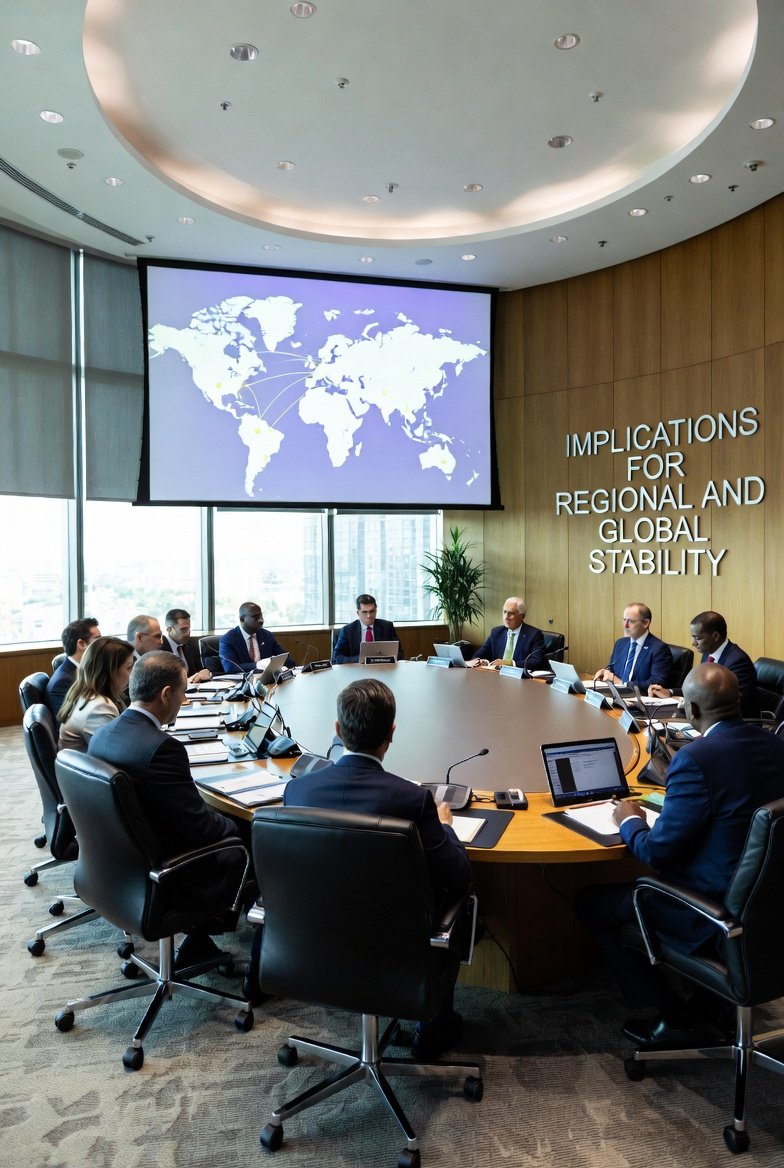
Implications for Regional and Global Stability
A US strike could lead to Iranian retaliation, including missile barrages on Israel and US bases, potentially closing the Strait of Hormuz and spiking global oil prices. Iran has fortified nuclear sites and rebuilt missile facilities, signaling readiness for war. This could draw in proxies, escalating into a regional conflict involving Yemen’s Houthis or Syrian militias.
Diplomatically, failure could isolate the US, with allies like Europe favoring negotiation. Domestically, Congress may vote on a War Powers Resolution to limit Trump’s authority, though past efforts failed. Economically, oil market volatility could affect global economies, with prices already rising 5% amid tensions.
Iranian analysts see the buildup as leverage for concessions, but some predict “real preparedness for conflict.” Yemen’s Ansarullah views it as evidence of US failures in prior wars.
Expert Opinions on the US-Iran Standoff
Security experts are divided. Seth Jones from the Center for Strategic and International Studies notes the buildup’s emphasis on air/naval forces avoids ground invasion risks. David Des Roches from the Thea Marshall Institute sees it as deterrence, not regime change. Ali Vaez suggests possibilities for limited or substantial strikes.
Social media reflects public concern, with posts urging Iran to acquire nuclear deterrents like North Korea’s to prevent such buildups. Breaking news alerts highlight the urgency, with calls for Iran to “make a deal or find out.”
Conclusion: A Precarious Path Forward
The US military buildup near Iran in 2026 underscores a high-stakes gamble by the Trump administration to force a nuclear deal through strength. With assets in place for potential strikes, the next 10-15 days could determine if diplomacy prevails or if the region tips into conflict. As tensions mount, the world watches closely, hoping for de-escalation amid historical animosities and strategic calculations. For the latest updates on US-Iran tensions and Middle East military developments, stay informed through reliable sources.